

Best Climbers & Creepers Dealers in Saharanpur

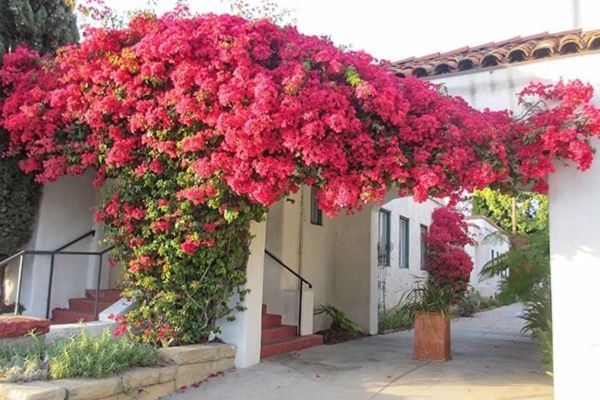
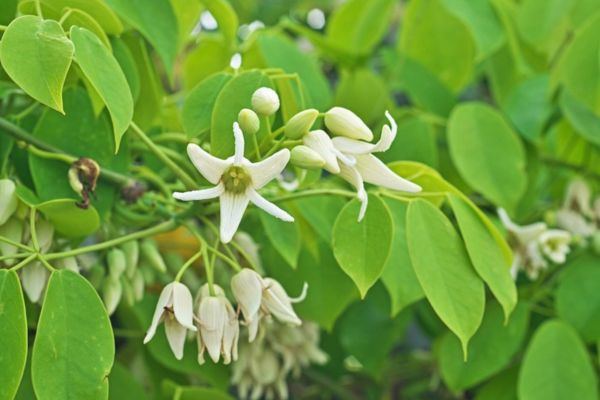

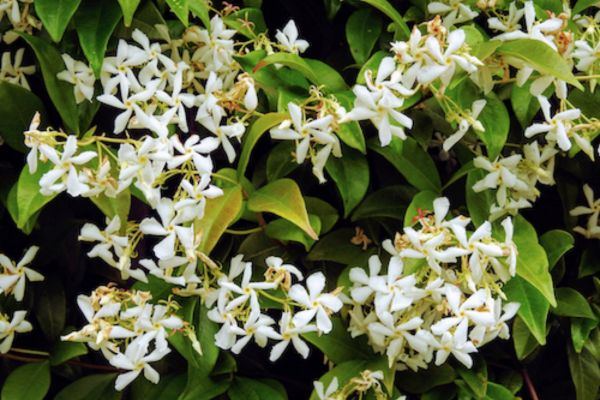
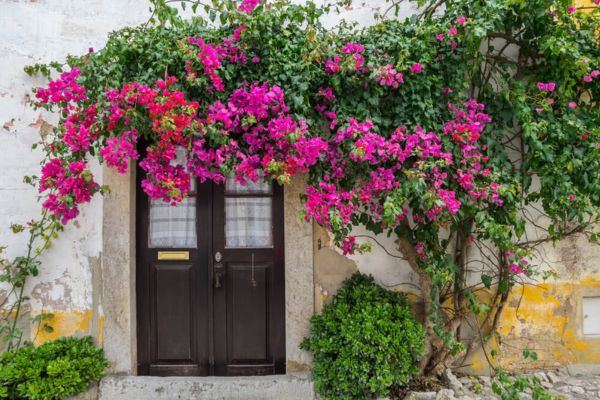
Best Climbers & Creepers Dealers in Saharanpur – Greenfield Nursery offers a premium range of healthy, fast-growing, and beautifully maintained climbers and creepers ideal for homes, gardens, balconies, terraces, fences, and landscaping projects. Our plants are carefully cultivated using nutrient-rich soil and expert techniques to ensure strong root development, dense foliage, and vibrant flowering growth. We provide a wide selection of ornamental and flowering climbers perfect for vertical gardens, boundary walls, pergolas, arches, and decorative outdoor spaces. Each plant is nurtured to adapt well to different environments and deliver long-lasting greenery. Our experts also guide you on proper watering, pruning, sunlight requirements, support structures, and seasonal maintenance. Choose Greenfield Nursery for quality plants, affordable prices, and dependable customer support.
Premium Climbers & Creepers We Offer
At Greenfield Nursery, the Best Climbers & Creepers Dealers in Saharanpur, we offer a wide range of healthy, fast-growing, and well-maintained climbers and creepers ideal for homes, gardens, balconies, terraces, and landscaping projects. Our plants are nurtured with nutrient-rich soil and proper care to ensure strong roots, dense foliage, and vibrant growth. Perfect for vertical gardens, pergolas, fences, and decorative outdoor spaces, they provide natural coverage, shade, and aesthetic appeal. We also provide expert guidance on watering, pruning, sunlight needs, support structures, and seasonal care. Choose Greenfield Nursery for premium-quality plants, affordable pricing, and reliable support.
How to Care for Your Climbers & Creepers?
At Greenfield Nursery, the Best Climbers & Creepers Dealers in Saharanpur, we guide you to maintain healthy and lush growth with simple care tips:Adequate Sunlight: Place your climbers and creepers where they receive sufficient sunlight. Most varieties need 4–6 hours of sunlight daily for strong growth and vibrant foliage.
Proper Watering: Water regularly but avoid overwatering. Ensure the soil remains moist, not soggy, to prevent root rot and support healthy growth.
Support Structures: Provide trellises, pergolas, or fences to help plants climb and spread properly.
Regular Pruning: Trim excessive growth, dead stems, and damaged leaves to encourage new shoots and dense coverage.
Nutrient-Rich Soil: Use fertile, well-draining soil enriched with compost or organic fertilizers for vigorous growth.
Why Choose Greenfield Nursery in Saharanpur?
- * Healthy & Premium Climbers & Creepers: As the Best Climbers & Creepers Dealers in Saharanpur, we offer healthy, vigorous, and disease-free plants with strong roots for long-lasting growth and lush coverage.
- * Wide Variety Collection: Choose from a diverse range of climbers and creepers suitable for homes, gardens, offices, terraces, pergolas, and landscaping projects.
- * Expert Guidance: Our team provides professional advice on watering, sunlight requirements, pruning, support structures, and seasonal plant care.
- * High-Quality Growing Practices: We use nutrient-rich soil mixtures and sustainable cultivation methods to ensure healthy growth and dense foliage.
- * Lush & Aesthetic Selection: Our plants naturally enhance beauty, add greenery, and provide elegant coverage to any space.
- * Affordable & Reliable: Premium climbers and creepers at competitive prices with trusted customer support and guidance.
Contact Greenfield Nursery – Best Climbers & Creepers Dealers in Saharanpur
Contact Greenfield Nursery for premium-quality climbers and creepers in Saharanpur. We provide a wide variety of healthy, vigorous, and fast-growing plants perfect for homes, offices, gardens, terraces, pergolas, and landscaping projects. Our plants are grown using nutrient-rich soil and expert cultivation techniques to ensure strong roots, dense foliage, and long-lasting growth. With professional guidance on watering, sunlight, pruning, and seasonal care, we help you maintain beautiful, thriving climbers and creepers. Choose Greenfield Nursery for affordable prices, superior plant quality, and reliable customer support for all your green landscaping needs.